
Company Name: Hebei Situo Building Materials Co., Ltd
Phone: 15731143000
Postal Code: 050031
Email: 1665089017@qq.com
Website: www.syjgm.cn
Address of Gaocheng factory: No.1 Road, Jiumen Industrial Park, Gaocheng District
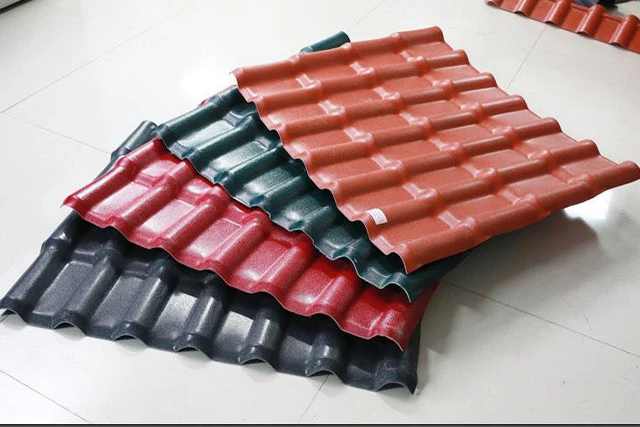
resin tileWith its advantages of lightweight, easy construction, and high cost-effectiveness, it is widely used in various construction scenarios such as agricultural greenhouses, breeding farms, and rural self built houses. However, many users have reported that during strong winds, resin tile roofs may produce abnormal sounds such as "whooshing" and "crackling", which not only affect the comfort of living and production environments, but may also indicate installation or use hazards. If ignored for a long time, it may lead to tile loosening, damage, or even detachment. The abnormal sound caused by strong winds on resin tile roofs is not an inherent problem of the materials themselves, but mainly related to installation operations, accessory selection, roof structure, and later maintenance. This article combines various application scenarios to analyze in detail the common causes of strong wind noise on resin tile roofs, helping users accurately identify hidden dangers, handle them properly, and ensure the safety of roof use and environmental peace.
1、 Installation is not standardized, tiles are not tightly attached to the base layer, and wind resistance causes abnormal noise
The non-standard installation operation is the main reason for the strong wind noise of resin tile roofs, especially in construction scenarios such as agricultural greenhouses and breeding farms. Some construction personnel lack professional experience, which can easily lead to problems such as loose fitting and inadequate fixation, leaving hidden dangers for strong wind noise.
On the one hand, the tiles are not tightly attached to the roof base during installation, resulting in gaps. Resin tiles themselves have a relatively light texture. If the flatness is not adjusted as required during laying, or if the base layer is not treated evenly, it can lead to gaps between the tiles and the base layer. During windy weather, airflow will enter the gap between the tiles and the base layer, creating an impact that causes the tiles to sway slightly, resulting in a "whooshing" sound of wind; If the gap is large, the impact force of the airflow may increase, and there may also be a "cracking" sound of tile collision. This situation is more common in curved roofs of agricultural greenhouses, where uneven tile adhesion is prone to occur, and airflow can form a vortex in the curved gaps, exacerbating abnormal noise.
On the other hand, the tiles are not firmly fixed and the fixed spacing is unreasonable. The installation of resin tiles requires the use of specialized fixing components. If the number of fixing components used during construction is insufficient, the spacing is too large, or the fixing components are not fully embedded in the base layer, it will cause the tile to be fixed loosely. During windy weather, tiles may shift and shake under the influence of wind, causing friction and collision with fixed components and adjacent tiles, resulting in abnormal noise. In addition, some construction workers use ordinary fasteners instead of specialized fasteners. If the fasteners are not tightly connected to the tiles and base layer, it can also cause the tiles to loosen and cause strong wind noise.
2、 Improper selection or installation of accessories, inadequate sealing leaving hidden dangers
resin tileImproper selection or installation of roof accessories (such as sealants, flashings, fasteners, etc.) can lead to poor sealing of the roof, easy infiltration of air flow, and the occurrence of strong winds and abnormal noises, as well as the risk of leakage.
One reason is improper selection or non-standard application of sealant. The joints of resin tiles, ridges, eaves and other nodes need to be sealed with special weather resistant sealant. If low-quality sealant is used, or if the application is not full, has bubbles, or is missed, it will cause the nodes to be poorly sealed and form gaps. During windy weather, airflow will seep into these gaps and impact the bottom of the tiles, producing abnormal noises; At the same time, gaps may also cause rainwater to seep in, corrode fasteners, exacerbate tile looseness, and exacerbate abnormal noise problems.
The second issue is that accessories such as flashing boards and drip boards are not installed properly. Flashing boards and drip boards are mainly used for waterproofing and windproof at roof nodes. If they are not tightly attached to tiles or base layers during installation, or are not firmly fixed, in strong wind weather, accessories will shake under the action of wind, causing friction with tiles and base layers and producing abnormal noise. Especially in scenes with large roof spans such as breeding farms and agricultural greenhouses, the abnormal noise caused by the installation of flashing boards is more pronounced.
In addition, the exposed fixed parts without sealing treatment can also cause airflow to seep into the gaps between the fixed parts and the tiles, causing the tiles to shake and produce abnormal noise. At the same time, it can accelerate the corrosion of the fixed parts and affect the service life of the roof.
3、 Unreasonable roof structure design exacerbates wind resistance and abnormal noise
The rationality of roof structure design directly affects the wind resistance performance of resin tile roofs. Unreasonable design can exacerbate wind resistance, resulting in abnormal noise during strong wind weather and even affecting roof safety.
On the one hand, the roof slope design is inappropriate. The slope of the resin tile roof should be designed reasonably based on the local year-round wind and rainfall conditions. If the slope is too gentle, during strong wind weather, the airflow is prone to stay and swirl on the roof, forming a large wind resistance and causing the tiles to shake and produce abnormal noise; If the slope is too steep, although the drainage effect is good, the difficulty of fixing the tiles increases, and it is easy to loosen. Abnormal noise may also occur during strong winds. Especially in windy areas such as agricultural greenhouses and breeding farms, improper roof slope design can lead to more prominent abnormal noise problems.
On the other hand, the roof span is too large or there are no reinforcement measures in place. Some large agricultural greenhouses and breeding farms have large roof spans. If no reinforcement keel is installed or reinforcement measures are not in place, the overall stability of the roof will be insufficient. During strong wind weather, the roof will undergo slight deformation, causing the resin tiles to shake and rub, resulting in abnormal noise. In addition, the lack of reinforcement components at the edges, corners, and other parts of the roof can also cause the tiles in these areas to shake violently under wind force, leading to abnormal noise.
4、 Lack of maintenance in the later stage, aging and loosening of tiles or accessories
Poor maintenance of resin tile roofs in the later stage can lead to aging and loosening of tiles and accessories, resulting in abnormal noise during windy weather, which is also a common cause after long-term use.
One is the aging and deformation of tiles. Resin tiles exposed to external factors such as wind, rain, and ultraviolet radiation for a long time will gradually age and deform. The edges of the tiles may warp or be damaged, resulting in loose bonding between tiles and between tiles and the base layer, forming gaps. During strong winds, airflow can seep through gaps, causing the aging and warped tiles to shake and produce abnormal noises; If the tiles are severely damaged, there may also be a risk of tile detachment.
The second issue is the aging and damage of accessories. Long term use of sealant can lead to aging, cracking, and detachment, corrosion and loosening of fasteners, and deformation and displacement of accessories such as flashing boards, all of which can result in poor sealing and unstable fixation of the roof. During strong wind weather, aged and loose components may rub or collide with tiles and substrates, producing abnormal noise and exacerbating roof hazards.
In addition, the accumulation of debris on the roof can also cause abnormal noise. There are many fallen leaves, weeds, and debris around agricultural greenhouses and breeding farms. If left uncleaned for a long time, the debris will accumulate on the roof. In windy weather, the debris will be blown by the wind, causing friction and collision with the resin tiles, resulting in abnormal noise. At the same time, it will also block drainage and increase roof load.
5、 Special scenario triggers, insufficient adaptability leading to abnormal noise
In some special scenarios, the inadequate adaptability of resin tile roofs can also lead to strong winds and abnormal noises. For example, in areas with strong winds such as coastal areas and mountainous regions, if the resin tiles used are too thin and have insufficient strength, the tiles are prone to violent shaking and abnormal noise during strong wind weather; Agricultural greenhouse curved roof, if the tiles are not cut properly and the gaps at the joints are too large, the airflow can easily form an impact in the gaps, causing abnormal noise; If the roof of a livestock farm is corroded by corrosive gases generated by animal manure, causing damage and loosening of tiles and accessories, it will also exacerbate strong wind noise.
In conclusion,resin tileThe abnormal noise caused by strong winds on the roof is mainly due to non-standard installation, omissions in the selection and installation of accessories, unreasonable roof structure design, lack of maintenance in the later stage, and insufficient adaptation to special scenarios, rather than defects in the materials themselves. Users can identify the above causes based on their own scenarios, promptly rectify and reinforce them, which can not only eliminate the problem of abnormal noise, but also ensure the safety of roof use, extend the service life of resin tiles, and better adapt them to the needs of various scenarios such as agricultural greenhouses, breeding farms, and rural self built houses.
Contact Us
15731143000
Company Name: Hebei Situo Building Materials Co., Ltd
Postal code: 050031
Email: 1665089017@qq.com
Website: www.syjgm.cn
Address of Gaocheng factory: No.1 Road, Jiumen Industrial Park, Gaocheng District